November 2026
When a loved one needs care, family members often step forward without hesitation. They accompany them to doctor’s appointments, help manage medications, provide emotional support, and advocate for their needs. They offer comfort during difficult days and celebrate even the smallest victories. Caregiving is one of the most meaningful expressions of love. It is also one of the most demanding.
The Weight Caregivers Carry
Many caregivers never think of themselves as heroes. They simply do what needs to be done for someone they love. Yet caregiving can be emotionally, physically, and mentally exhausting. It may mean putting personal goals on hold, rearranging work schedules, missing social events or sacrificing time that was once spent caring for themselves. Many caregivers find themselves balancing multiple responsibilities while trying to be everything to everyone.

Caregiving is one of the most meaningful expressions of love…but it can be emotionally, physically and mentally exhausting.
Along the way, feelings of stress, sadness, uncertainty, and even guilt can emerge. It is not uncommon for caregivers to feel guilty when they take a break, ask for help, or focus on their own needs. Some may feel isolated, believing that no one truly understands what they are experiencing. Others may struggle with the emotional challenges of watching a loved one’s health change over time. These feelings are normal. They are human. And they deserve acknowledgment and compassion.
Recognizing Caregiver Burnout
Caregiver burnout can develop gradually. What begins as occasional stress may evolve into chronic exhaustion, frustration, or feelings of being overwhelmed.
Warning signs may include:
- Constant fatigue, even after rest
- Loss of interest in hobbies and activities
- Neglecting personal health and medical appointments
- Increased irritability or mood changes
- Difficulty sleeping
You Cannot Pour From an Empty Cup
One of the most important lessons for caregivers is that self-care is not selfish. Taking time to care for your own physical, emotional, and mental well-being is essential.
Caregivers should remember to:
- Schedule routine medical appointments for themselves
- Accept help when family and friends offer it
- Maintain healthy eating and exercise habits
- Stay connected to supportive friends and loved ones
- Check with the social work department to discover different resources for caregivers
- Set realistic expectations and boundaries
Even small moments dedicated to personal wellness can make a meaningful difference.
Supporting the Circle of Care
This November we recognize National Family Caregivers month by communicating that care is never provided by one person alone. It is a partnership built on trust, communication, and compassion. That is why Cassena Care is committed to supporting not only our residents but also the family members and caregivers who stand beside them every step of the way.
The Healing Hands Behind the Journey to Recovery
Downtown Brooklyn Nursing and Rehabilitation Center
Brooklyn, NY

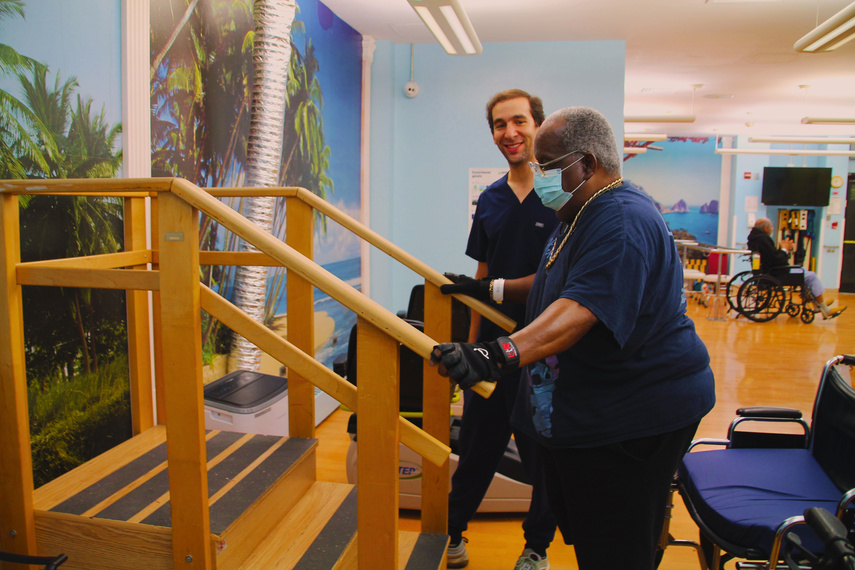
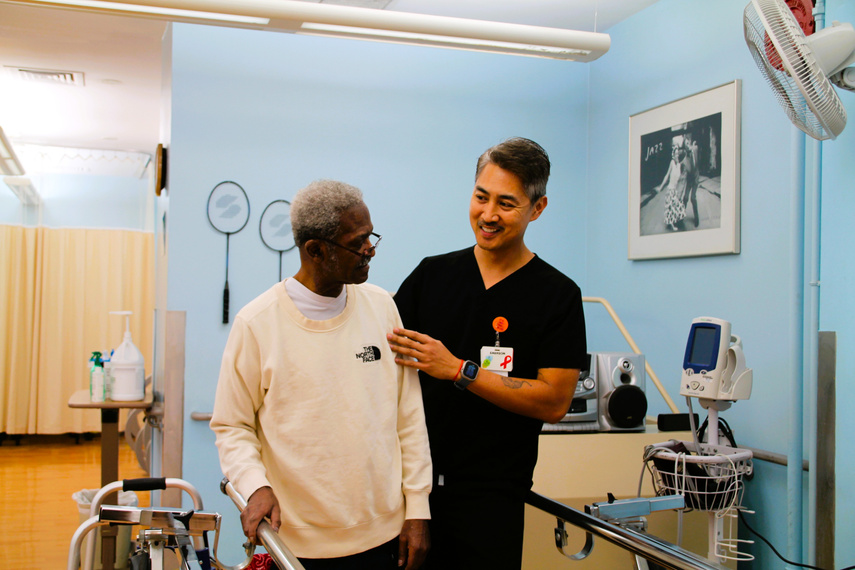
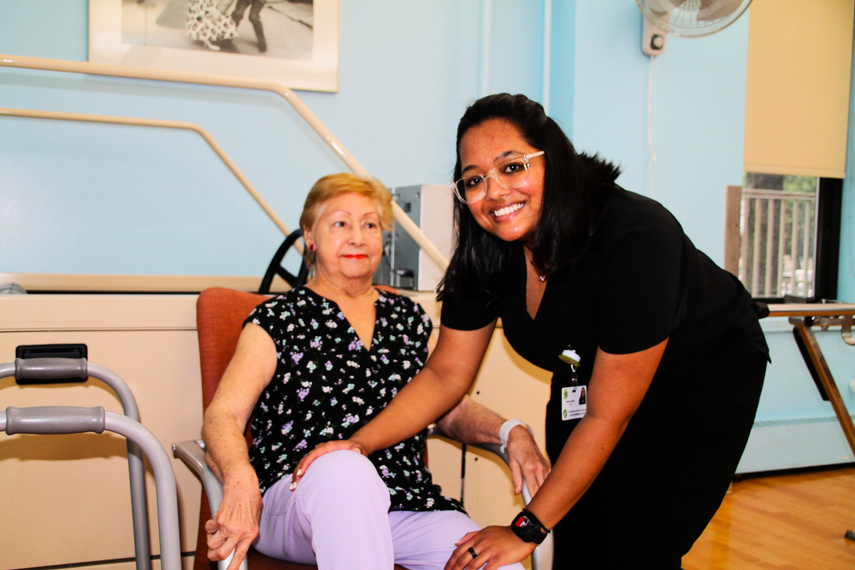
We proudly recognize the outstanding physical therapists throughout all Cassena Care facilities and are excited to highlight those at Downtown Brooklyn Nursing & Rehabilitation Center. Through their expertise, compassion, and dedication, they help residents regain strength, restore mobility, and achieve greater independence on their journey home. By developing personalized therapy plans and motivating residents every step of the way, they help maximize recovery and improve quality of life. Their commitment reflects Cassena Care’s mission of promoting healing, independence, and overall well-being.