A stroke can happen suddenly, but recovery is a journey that can unfold over weeks, months, and sometimes even years. For stroke survivors and their families, questions about mobility, speech, memory, and independence can quickly become a major focus.
The encouraging news is that recovery is possible. With the right rehabilitation, support system, and continued effort, many stroke survivors can make meaningful progress and regain important aspects of their daily lives.
Understanding Stroke Rehabilitation
The effects of a stroke can extend far beyond physical movement. Some survivors experience weakness or paralysis on one side of the body, affecting strength, balance, coordination, and the ability to complete everyday activities.
Others may experience difficulties with speech, language, memory, attention, organization, or problem-solving. Because every stroke affects the brain differently, rehabilitation should be tailored to the individual. Depending on a person’s needs, a stroke rehabilitation program may include:
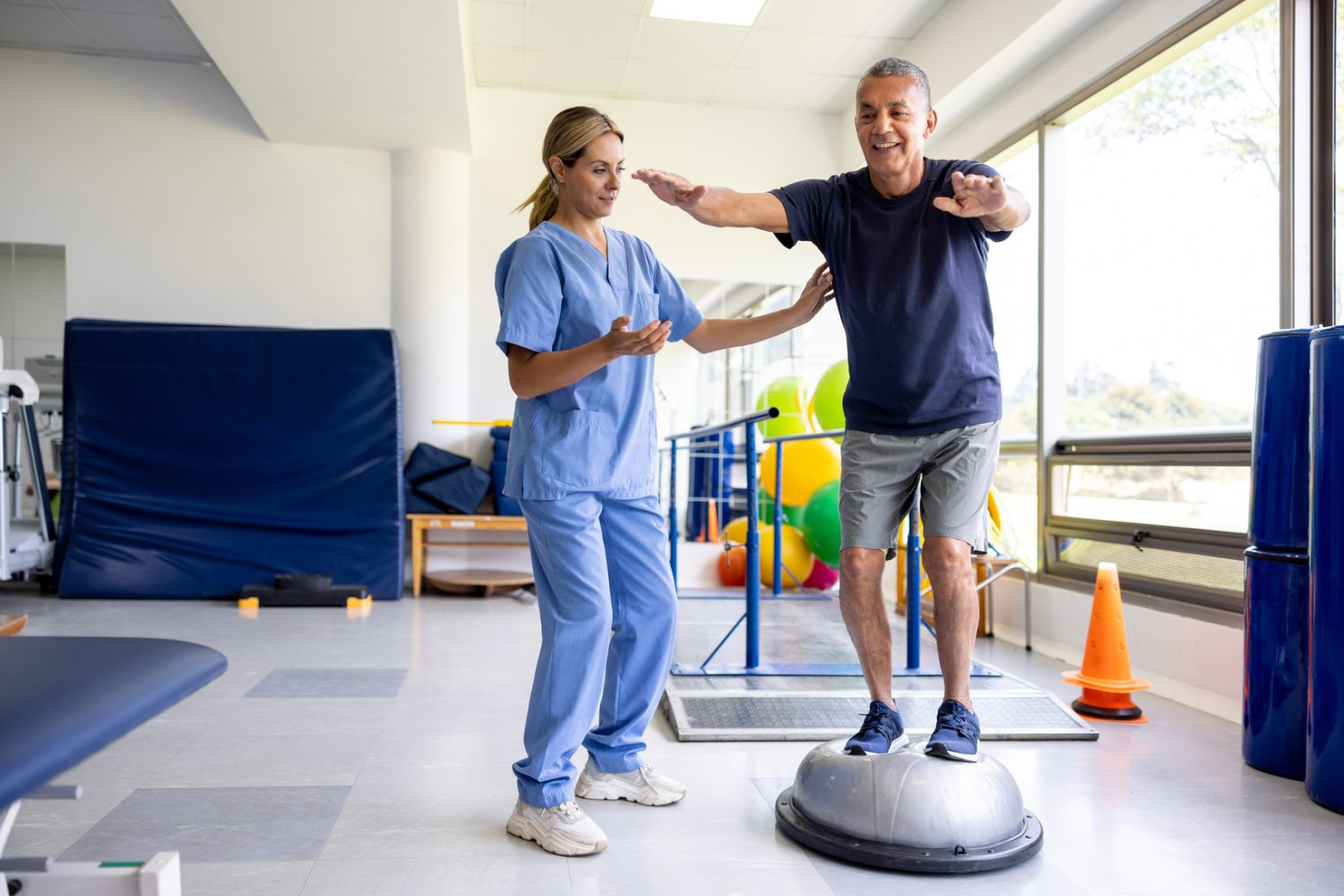
- Physical Therapy (PT): Helps improve strength, balance, mobility, coordination, and walking.
- Occupational Therapy (OT): Focuses on rebuilding the skills needed for everyday activities and greater independence.
- Speech Therapy: Can address challenges involving speech, language, communication, cognition, and swallowing.
Together, these therapies can help stroke survivors work toward greater independence and an improved quality of life.
Recovery Begins Early
Once a patient is medically stable, rehabilitation may begin early in the recovery process. Guided movement, exercises, and therapy can help patients begin rebuilding skills while reducing complications associated with prolonged immobility.
Recovery does not end when someone leaves the hospital. Many stroke survivors continue rehabilitation in a skilled nursing and rehabilitation setting or through other levels of care as they work toward returning home and becoming more independent.
Progress can look different for every person. Some improvements may happen quickly, while others require more time, repetition, and patience.
The Importance of Family Support
Family members and caregivers can also play an important role throughout stroke recovery. Encouragement, assistance with daily activities, and emotional support can help survivors navigate both the physical and emotional challenges that may come with recovery.
Caregiving can also bring new responsibilities. Families should remember to seek support when needed, maintain realistic expectations, and recognize progress—even when it comes in small steps.
Every Step Forward Matters
Stroke recovery is rarely a straight line. There may be days of significant progress and others that feel more challenging. What matters is continuing to move forward.
With individualized rehabilitation, a supportive care team, and encouragement from loved ones, many stroke survivors can continue working toward greater strength, confidence, and independence.
Supporting Your Recovery Journey
If you or someone you love is recovering from a stroke, finding the right rehabilitation setting can be an important next step.
Cassena Care’s skilled nursing and rehabilitation centers provide individualized rehabilitation services, including physical, occupational, and speech therapy, to help patients work toward their recovery goals.
Facility Spotlight: Saints Joachim & Anne
A Visit That Brought Plenty of Smiles
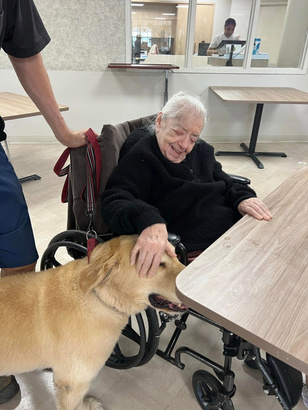
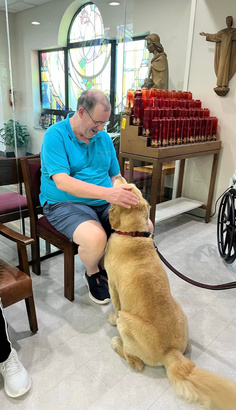
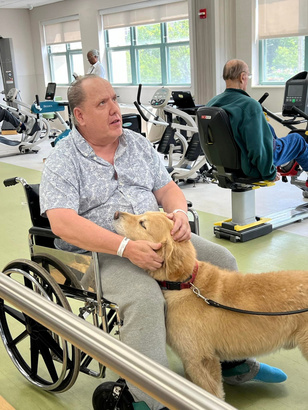
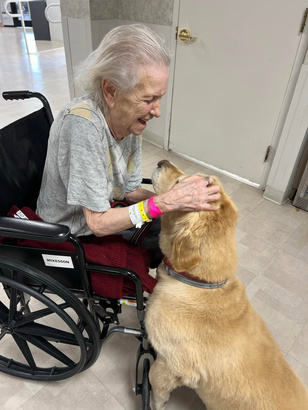
A special pet therapy visit brought smiles, comfort, and companionship to residents at Saints Joachim & Anne Nursing and Rehabilitation Center. Residents enjoyed spending time with a friendly therapy dog, sharing gentle pets, warm interactions, and plenty of smiles.
Pet therapy can support emotional and social well-being while creating meaningful moments of connection. Visits like these are part of our commitment to caring for the whole person and creating experiences that bring comfort and joy to our residents.